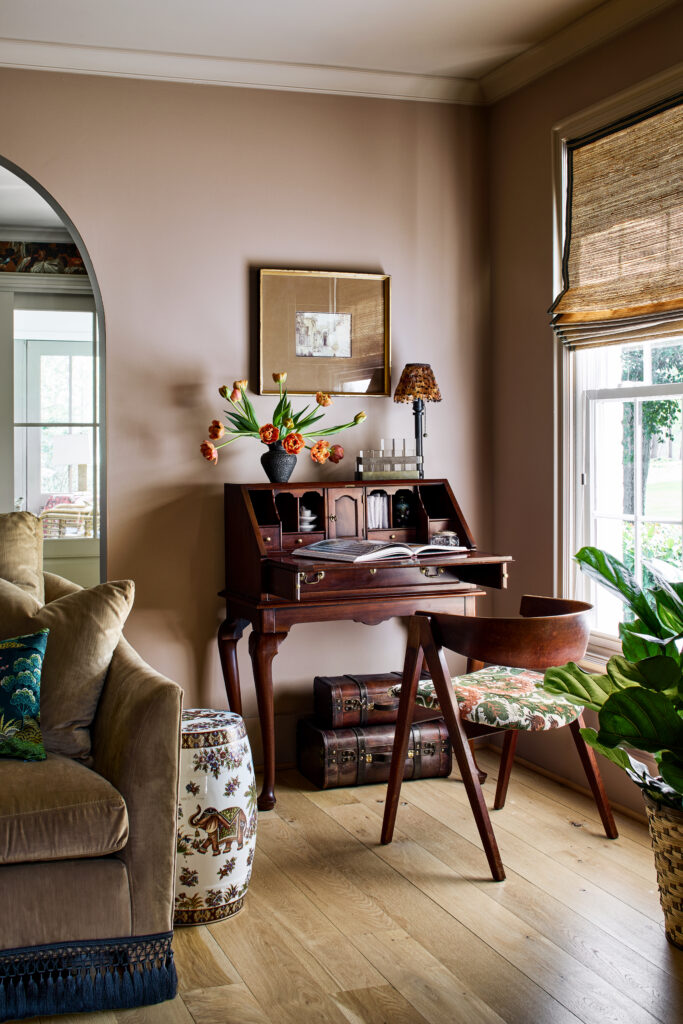
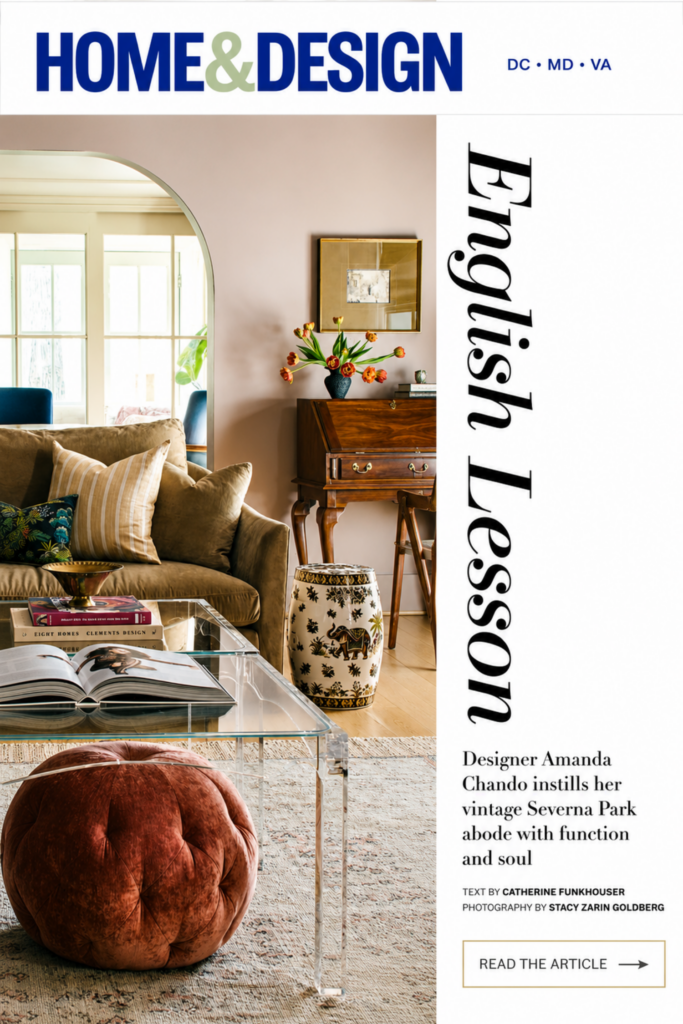
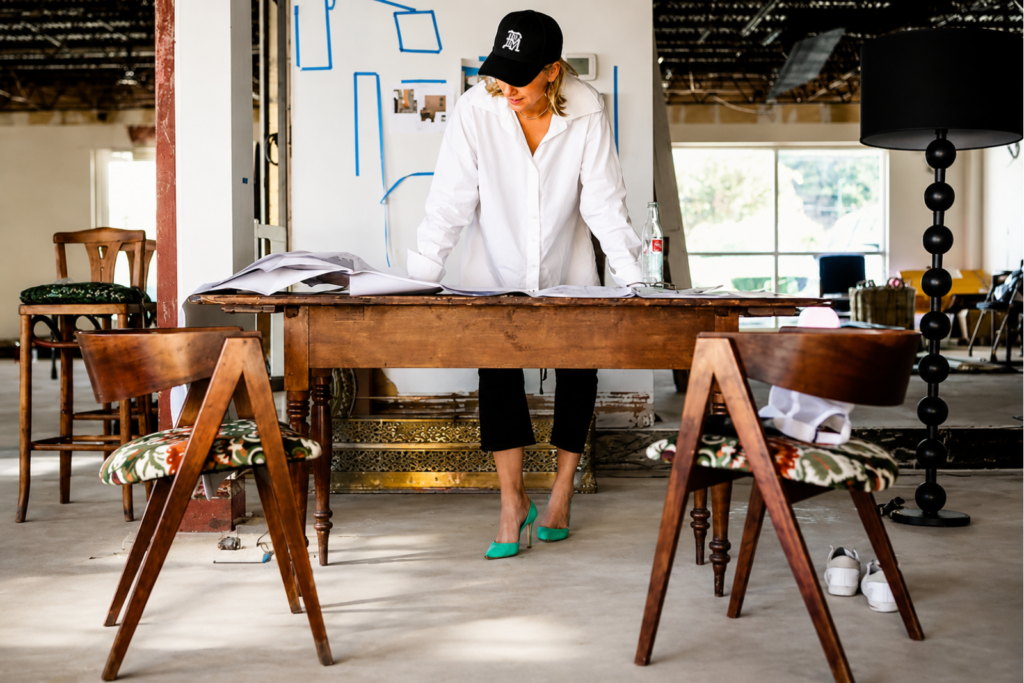
When most homeowners think about interior design return on investment, they think about resale. But in high-end residential design, the most meaningful returns aren’t just realized when a home sells — they’re felt every single day. In the ease of your morning routine. In how naturally your home accommodates both quiet evenings and lively entertaining. In the confidence that every decision was made with intention.
The most valuable homes aren’t the most expensive. They’re the most thoughtfully designed.
At Details and Design, we’ve guided clients through renovations and new builds across Annapolis, Maryland and beyond — and the projects that hold up best over time all share the same foundation: strategic, purposeful design decisions made early.
Here’s what those decisions look like in practice.
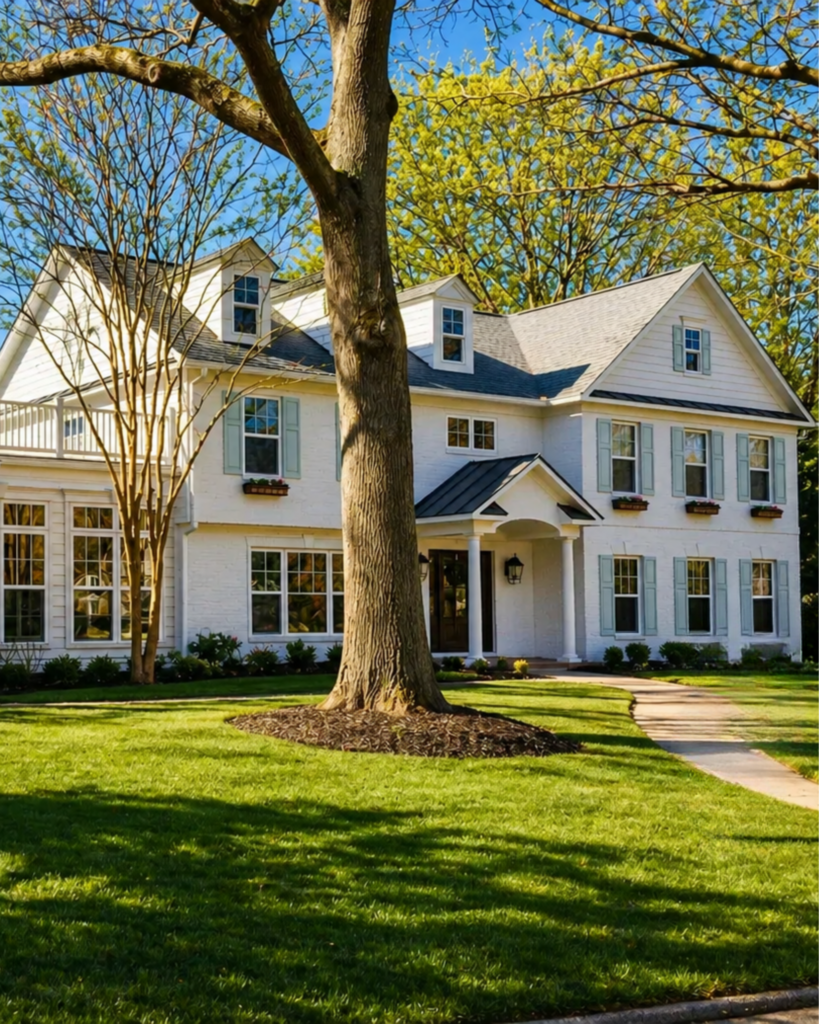
Start With Layout and Flow — Before You Choose a Single Finish
Before you select stone, cabinetry hardware, or light fixtures, there’s a more fundamental question to answer: does this home live well?
Layout and spatial flow are the highest-leverage investments in any renovation or new build. A well-planned floor plan — one with clear sightlines, intuitive circulation, and spaces that feel intentional rather than accidental — will always outperform surface-level upgrades.
Opening up a kitchen-to-living connection, eliminating unnecessary hallways, or reconfiguring a bedroom suite to create a true primary retreat: these are the kinds of structural decisions that transform how a home feels on a daily basis. And they’re changes that no amount of beautiful materials can replicate after the fact.
If a home doesn’t live well, no finish will fix it.
Invest in Kitchens and Bathrooms — They Still Carry the Strongest Return
These two spaces consistently deliver the highest interior design return on investment — both financially at resale and emotionally in daily life.
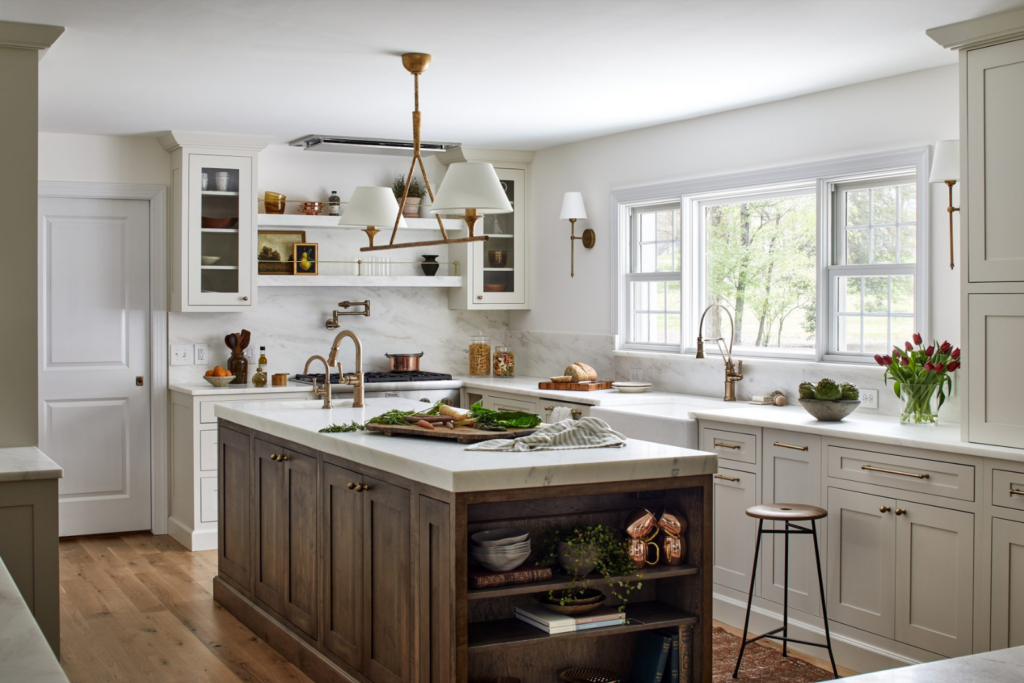
Kitchen Design: Where Function Meets Gathering
The kitchen is no longer just a place to cook. It’s where the household gathers in the morning, where guests inevitably migrate during dinner parties, and where the rhythm of daily life plays out. Thoughtful kitchen design accounts for all of it.
High-return kitchen investments include:
- Custom or semi-custom cabinetry that maximizes storage and creates visual cohesion
- Quality appliances chosen for your actual cooking habits, not just specifications
- A layout that supports flow — the triangle between refrigerator, sink, and range still matters, but so does counter space for prep, a landing zone near the oven, and a natural place for guests to stand without being in the way
The kitchens that age well aren’t the ones that chased the latest trend. They’re the ones designed around how you actually live.
Bathroom Design: Functional Retreat, Lasting Value
A well-designed bathroom does something that’s harder to quantify but impossible to ignore: it creates a sense of retreat. In a primary bath especially, the investment in quality materials, layered lighting, and smart storage pays dividends every morning.
Timeless bathroom design prioritizes:
- Durable, natural materials — stone, tile, and solid hardware that wear beautifully rather than dating quickly
- Proper lighting at multiple layers — ambient, task, and accent
- Thoughtful storage that keeps surfaces clear and the space feeling calm
These aren’t luxury indulgences. They’re the design decisions that make a bathroom feel worth what it costs — and worth keeping for years to come.
Choose Materials That Age Gracefully, Not Just Look Beautiful Today
One of the most common and costly mistakes in interior design is choosing materials that photograph beautifully but don’t hold up. Trend-driven finishes may look fresh for a season, but they can feel dated within a few years — and replacing them is expensive.
The materials that add lasting value to a home share a few characteristics: they’re rooted in natural origins, they develop character over time rather than simply wearing down, and they don’t require constant updating to feel relevant.
Natural stone, solid hardwood flooring, and quality millwork are the workhorses of enduring residential design. They give a home depth and warmth that synthetic alternatives can’t replicate. They also tell a story — of craft, of permanence, of a home that was built to last.
Less replacement. More permanence. That’s the interior design return on investment.
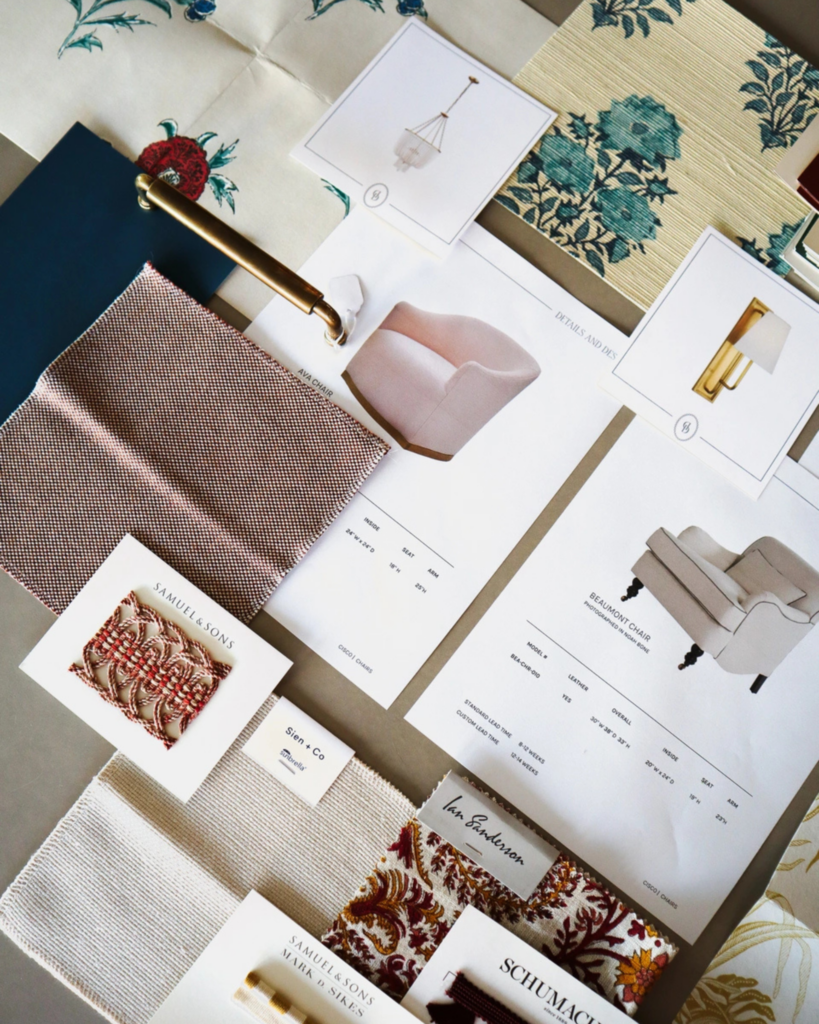
Prioritize Custom Details: The Difference Between Furnished and Designed
There’s a meaningful difference between a home that’s been furnished and one that’s been designed — and nowhere is that difference more visible than in the details.
Built-ins, custom cabinetry, and tailored storage solutions do something that off-the-shelf furniture simply can’t: they make a space feel complete. Coherent. Considered.
A library wall with integrated shelving and a reading nook. A mudroom designed around your family’s actual habits. A home office with built-in storage that keeps the room feeling like a room, not a warehouse. These are the touches that quietly set a home apart.
They also maximize every square foot — which matters whether you’re in a compact row house or a sprawling single-family home. Custom details aren’t a luxury reserved for large budgets. They’re an investment in the overall quality and coherence of the space.
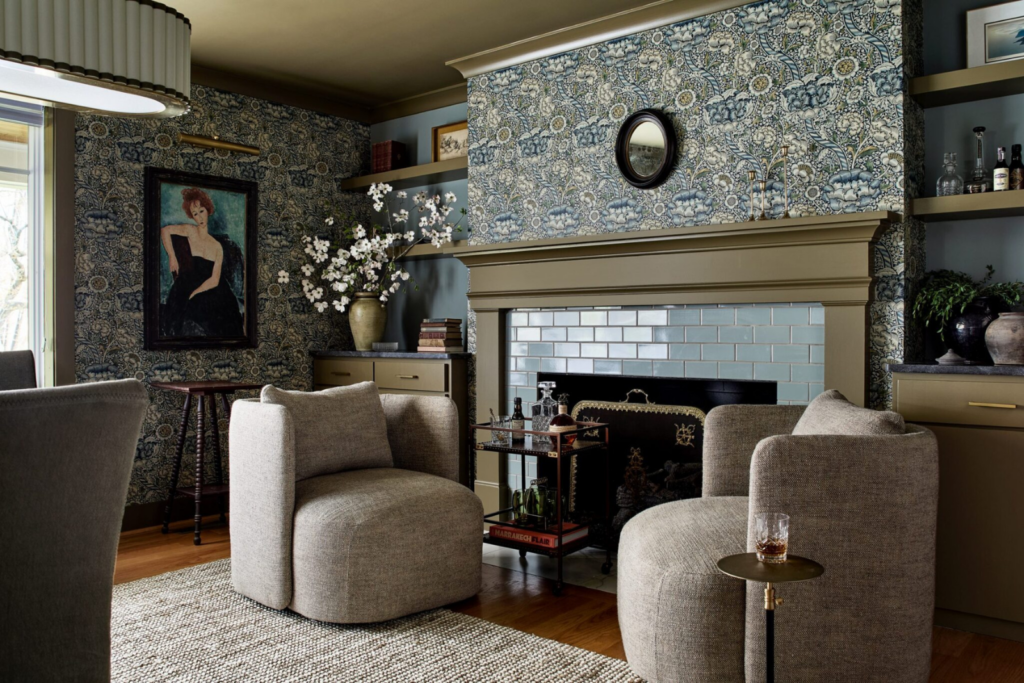
Lighting: The Most Underestimated Investment in Residential Design
Ask most homeowners what they wish they’d done differently, and lighting comes up again and again. It’s also one of the most powerful — and most frequently underestimated — elements in a well-designed home.
Lighting doesn’t just illuminate. It defines atmosphere. It shapes how a room feels at 7am versus 7pm. It draws the eye toward what you want to highlight and softens what you don’t. In a kitchen, the difference between a single overhead fixture and a layered lighting plan is the difference between a workspace and a space you actually want to spend time in.
A strategic lighting design includes:
- Ambient lighting for overall illumination
- Task lighting where function demands it — at the kitchen counter, the bathroom vanity, the reading chair
- Accent lighting to add dimension and highlight architectural details or artwork
- Statement fixtures that serve as design elements in their own right
The right lighting plan is one of the most cost-effective ways to elevate a space — and one of the hardest things to retrofit well after the fact.
Know When to Invest — and When to Restrain
Not every upgrade increases value. One of the most important things a skilled designer brings to a project isn’t just an eye for beautiful spaces — it’s the judgment to know when not to spend.
Over-customizing a home beyond what the neighborhood or market supports can limit financial return, even when the design itself is excellent. A $150,000 kitchen renovation in a neighborhood of $400,000 homes tells a different story than the same investment in a $1.2M home.
Thoughtful restraint is part of smart interior design return on investment. The goal is alignment — between your home, your lifestyle, your budget, and your long-term plans. Good design brings all four into focus.
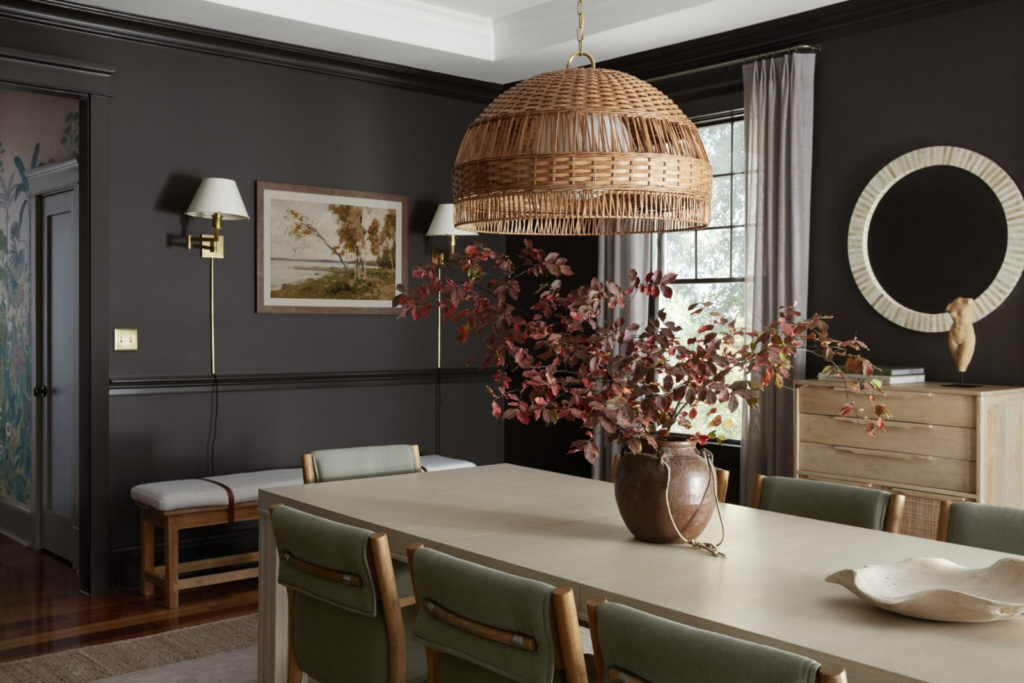
The Most Important Investment: The Plan Itself
Materials, finishes, fixtures — none of it matters as much as the decisions made before a single wall comes down.
The planning phase is where the real value is created or lost. Decisions made early — around layout priorities, material selection, contractor coordination, and phasing — have compounding effects on both cost and outcome. Projects that skip or rush the planning phase routinely spend more and get less.
A well-designed home is never accidental. It’s the product of clarity: knowing what you’re trying to achieve, in what order, and why.
This is where working with an experienced interior designer pays the most tangible return. Not just in the beauty of the finished result, but in the time, money, and stress saved along the way.
A Return You Can Live In — Every Day
The greatest return on a well-designed home isn’t only realized when it sells — though thoughtfully designed homes do command premium prices in nearly every market.
It’s in the ease of daily life. The way a space feels at the end of a long day. The confidence that what you built will still feel right five, ten, and twenty years from now. It’s in the mornings that start better because your home is organized. The evenings that feel calmer because the lighting is right. The guests who notice something — they can’t quite name it — that makes your home feel different from others they’ve visited.
That’s the standard we work toward at Details and Design.
Ready to Start Planning Your Renovation in Annapolis, Maryland?
Whether you’re approaching a full renovation, a targeted refresh, or the early stages of a custom build, the right decisions — made early and made well — shape everything that follows.
At Details and Design, we work with homeowners in Annapolis, the greater Maryland area, and beyond to create homes that are as considered as they are beautiful. Our process prioritizes clarity, intention, and long-term value at every step.
Contact us today to begin a conversation about your project.