There is a question homeowners ask us more than almost any other: How do I make sure my home will not look dated in five years? That is the heart of timeless interior design. It is not about choosing one prescribed color palette or filling a room with pieces labeled “classic.” It is about making thoughtful decisions so a home ages like a good pair of leather boots rather than a fast-fashion trend.
A timeless home begins with a functional layout, enduring materials, flexible foundational choices and personal pieces that genuinely matter to the people who live there. Trends can still have a place, but they work best as optional layers rather than permanent, load-bearing decisions.
Timeless does not mean boring, and it certainly does not require beige on beige on beige. It means each choice responds to the home, the people living in it and the way the space needs to function. Before buying another pillow simply because it is “in,” consider what actually holds up.
What Is Timeless Interior Design?
Timeless interior design prioritizes function, proportion, quality and personal meaning over short-lived trends. A trend tells you what many people are doing right now. A timeless choice begins with a different question: How do we want to live in this room, and what will make that experience easier and more beautiful for years to come?
That is why our process starts with function first. If a room works for the way a family actually moves through it, it is already halfway to timeless. The beauty comes from getting the bones right and then layering personality on top, not the other way around.
At Details and Design, we guide homeowners throughout Annapolis, Anne Arundel County and the surrounding Maryland communities through choices that need to work for many years, not simply photograph well on installation day. We consider the architecture, the family’s routines and which materials will become more beautiful with age
Start With How You Live
A timeless room should support daily life before it tries to impress anyone. Think about traffic flow, storage, sightlines, seating and how the room changes from morning to evening. A beautiful room that creates frustration every day will never feel truly settled.
Before selecting finishes, ask practical questions: Where does everyone naturally gather? What needs to be within reach? Which areas become cluttered? What will still matter if your routines change? Those answers often reveal more about the right design than a folder full of inspiration images.
Build Around What You Already Love
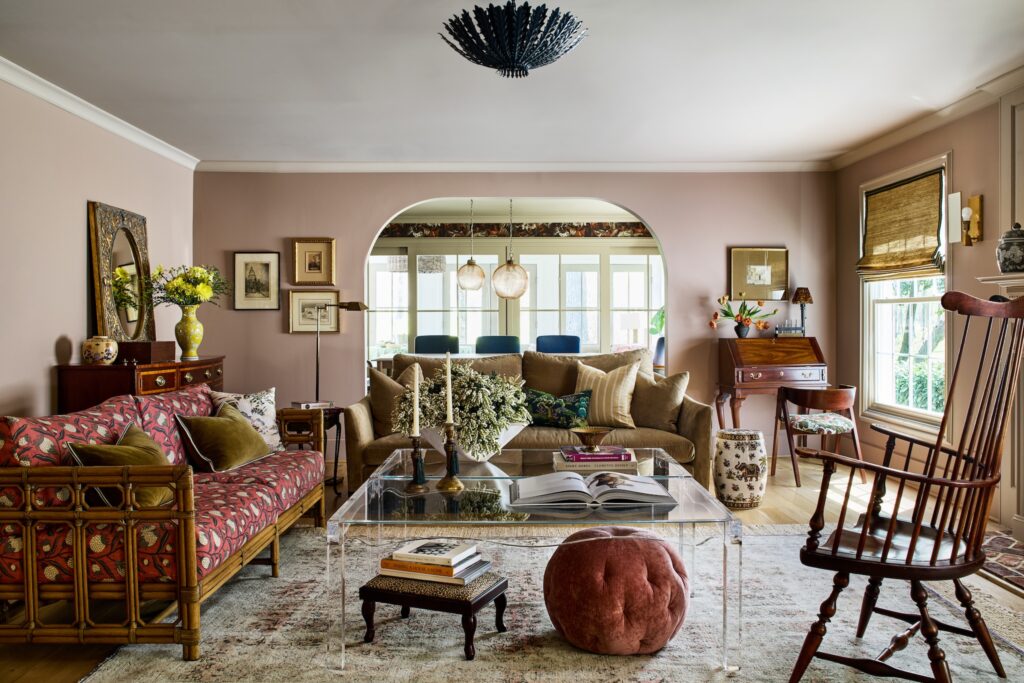
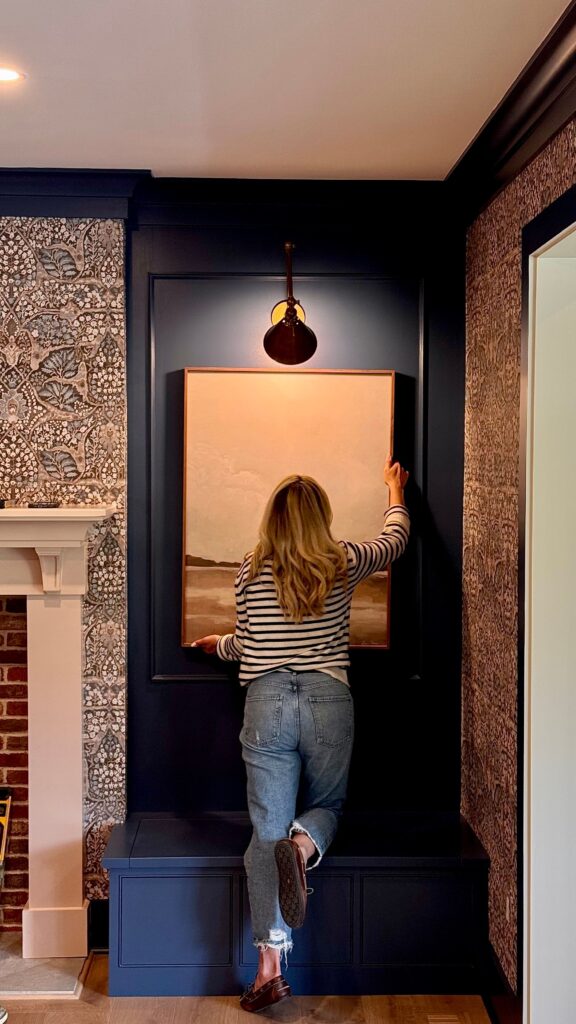
The fastest route to a timeless home is not a mood board filled entirely with new ideas. It is an honest look at what you already own and love. An antique dresser from your grandmother, a rug you cannot part with or a color that makes you feel calm can become an anchor for the entire design.
Build around those meaningful pieces rather than replacing them automatically. A room shaped over time feels collected instead of curated overnight, and that is often the difference between a house that resembles a showroom and a home that feels unmistakably yours.
How Do You Choose a Timeless Color Palette?
A timeless color palette uses flexible foundational colors that work with changing furniture, art and accessories. Warm whites, soft creams, natural wood tones, muted blues, gentle greens and other grounded colors can all create an enduring foundation when they suit the home’s architecture and light.
Bold color still belongs in a timeless home. The difference is intention. Highly recognizable statement colors can date a room more quickly when they are chosen mainly because they are trending. Use expressive color where it feels personal, and place the most trend-driven shades in elements that are easier to update, such as pillows, art, lamps or smaller furnishings.
For larger expenses such as cabinetry, flooring, tile and built-in elements, choose materials and colors you can imagine living with well beyond the current trend cycle.
Which Materials Make a Home Feel Timeless?
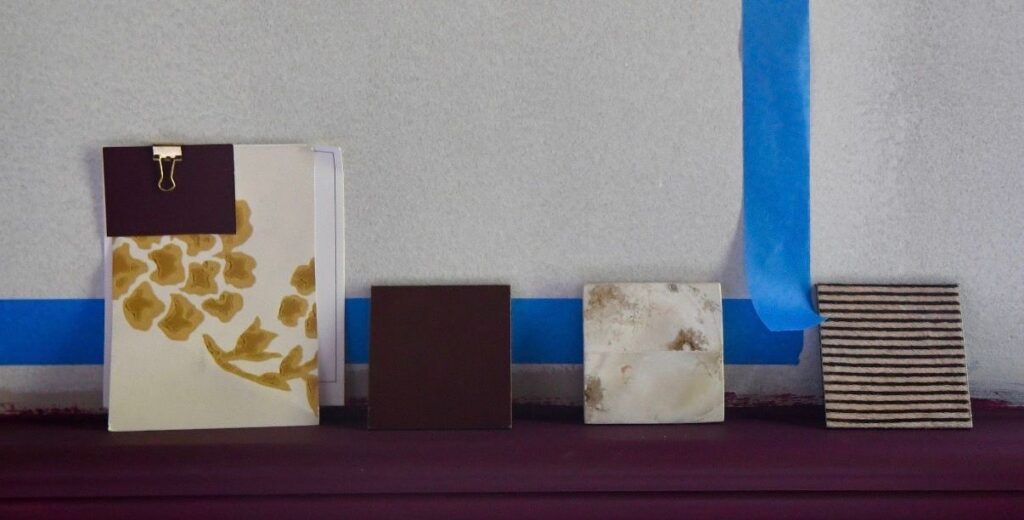
Natural materials such as wood, stone, linen and leather often age gracefully because they develop character rather than simply showing wear. Their variation brings warmth and depth to a room, especially when several textures are layered within a related color family.
If color is where many homeowners overcommit, texture is often where they undercommit. A room can feel rich and considered without relying on one oversized statement piece when its surfaces have contrast: smooth stone against woven fabric, polished metal beside aged wood or crisp linen softened by wool.
Manufactured materials can also be excellent choices when they are selected for durability and appropriateness rather than for a highly specific trend. The goal is not to follow a rigid rulebook. It is to choose materials honestly and understand how they will look, feel and perform over time.
Where Should You Spend and Where Can You Save?
Timeless design does not require the most expensive option in every category. It requires spending strategically where quality, permanence and daily use matter most.
| Hardest to Change | Used Most Often | Easy to Update |
| Layout, cabinetry, flooring, tile, built-ins and lighting placement | Sofas, dining tables, mattresses, task lighting and frequently handled hardware | Pillows, small tables, art, decorative objects and seasonal textiles |
Invest first in the decisions that are expensive or disruptive to change. Then prioritize comfort and craftsmanship in pieces your family uses every day. Save experimentation for accessories and smaller furnishings, where a new idea can enter the room without forcing a full renovation when tastes evolve.
Use the Home’s Existing Character as a Guide
A timeless renovation should feel connected to the home that came before it. That does not mean preserving every outdated feature. It means recognizing the architecture, proportions and details worth carrying forward so the finished design feels renewed rather than disconnected from its setting.
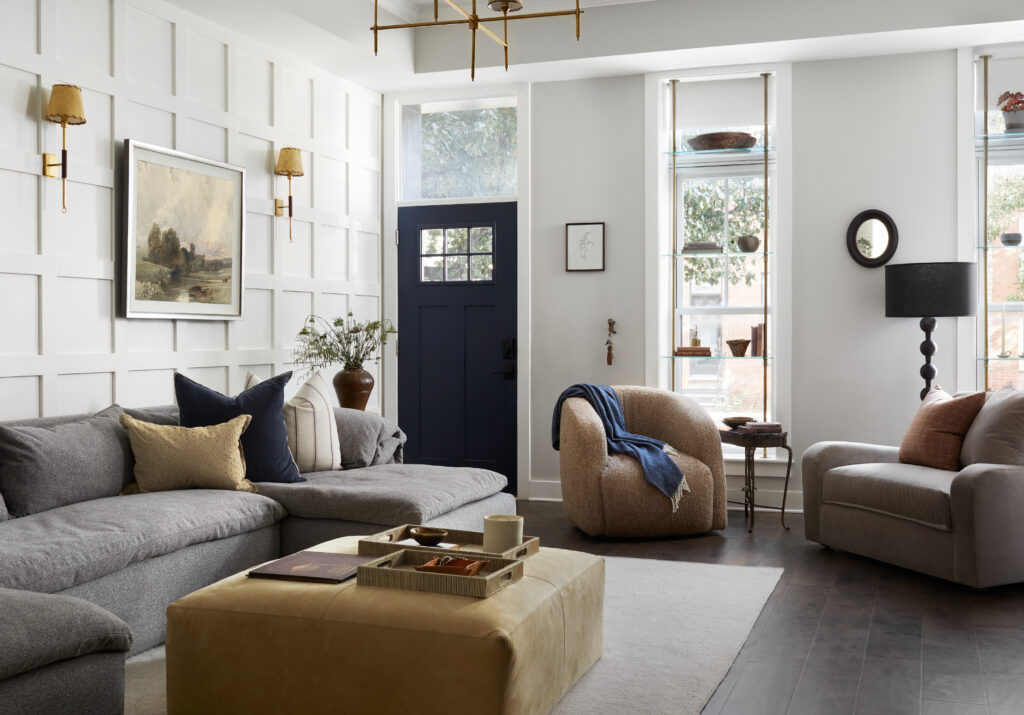
In our Bell Branch project, the goal was to work with the home’s good bones while improving the way it functioned and felt. By preserving character, refining the layout and introducing materials that suited the architecture, the home could feel fresh without being tied to one passing moment in design.
Can a Timeless Home Still Include Trends?
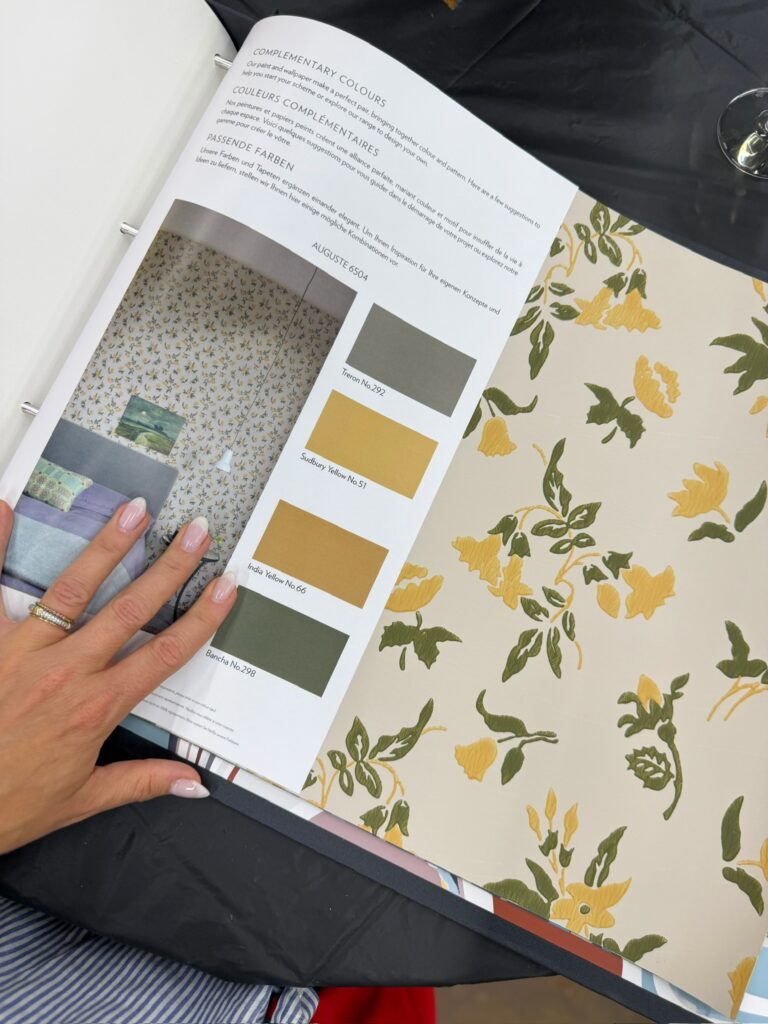
Yes. A timeless home can include trends, but trends should be guests rather than the foundation. A current pattern, sculptural lamp or fashionable accent color can make a room feel alive. The key is to keep those choices flexible enough to change without undoing the entire design.
A strong foundation makes trends optional. When the layout, materials and major furnishings are well considered, new layers.
How Do You Choose a Timeless Color Palette?
A timeless color palette uses flexible foundational colors that work with changing furniture, art and accessories. Warm whites, soft creams, natural wood tones, muted blues, gentle greens and other grounded colors can all create an enduring foundation when they suit the home’s architecture and light.
Bold color still belongs in a timeless home. The difference is intention. Highly recognizable statement colors can date a room more quickly when they are chosen mainly because they are trending. Use expressive color where it feels personal, and place the most trend-driven shades in elements that are easier to update, such as pillows, art, lamps or smaller furnishings.
For larger expenses such as cabinetry, flooring, tile and built-in elements, choose materials and colors you can imagine living with well beyond the current trend cycle.
can come and go while the room continues to feel balanced and personal.
Frequently Asked Questions About Timeless Interior Design
What makes an interior design timeless?
Timeless interior design prioritizes function, proportion, quality materials and personal meaning over short-lived trends. Permanent elements are selected for longevity, while current styles are introduced through smaller pieces that can be changed more easily.
Does timeless interior design have to be neutral?
No. A timeless room can include rich color, pattern and personality. The goal is not to eliminate color but to choose it intentionally and use highly trend-driven choices in places that are relatively easy to update.
What home features are worth investing in?
Invest in permanent or heavily used elements such as layout improvements, flooring, cabinetry, architectural details, upholstery and dining furniture. Accessories, pillows and smaller decorative pieces are better places to experiment or save.
How can I prevent a renovation from looking dated?
Begin with the home’s architecture, daily function and long-term needs. Avoid building the entire design around one current trend, compare major materials together before ordering and choose permanent finishes for their suitability rather than their popularity.
How can an interior designer help create a timeless home?
An interior designer can evaluate layout, scale, materials, lighting and existing furnishings as one connected plan. This helps homeowners avoid isolated decisions that look appealing on their own but do not work together or support the home over time.
The Bottom Line
A timeless home is not one that ignores trends completely. It is one built on a foundation strong enough that trends become optional layers instead of load-bearing decisions. If you are standing in a room wondering whether a choice will still feel right in ten years, that instinct is worth listening to.
For homeowners who need a second opinion on paint colors, layout, furnishings or what is worth keeping, our Designer for a Day sessions are designed to turn uncertainty into a clear, practical plan. You can also explore our Annapolis and Maryland interior design portfolio or see this philosophy in action through the Bell Branch project.